
Process & quality control
Coco Peat Processing & Quality Control — Husk to Container
Nine stages, four quality checkpoints and a test report for every batch. This is how Vimsen Exim turns Tamil Nadu coconut husk into export-grade coco peat — and how you can verify it.
Production
From coconut husk to sealed container
Quality is checked after screening, after washing, after drying and again before pressing.
 Step 01
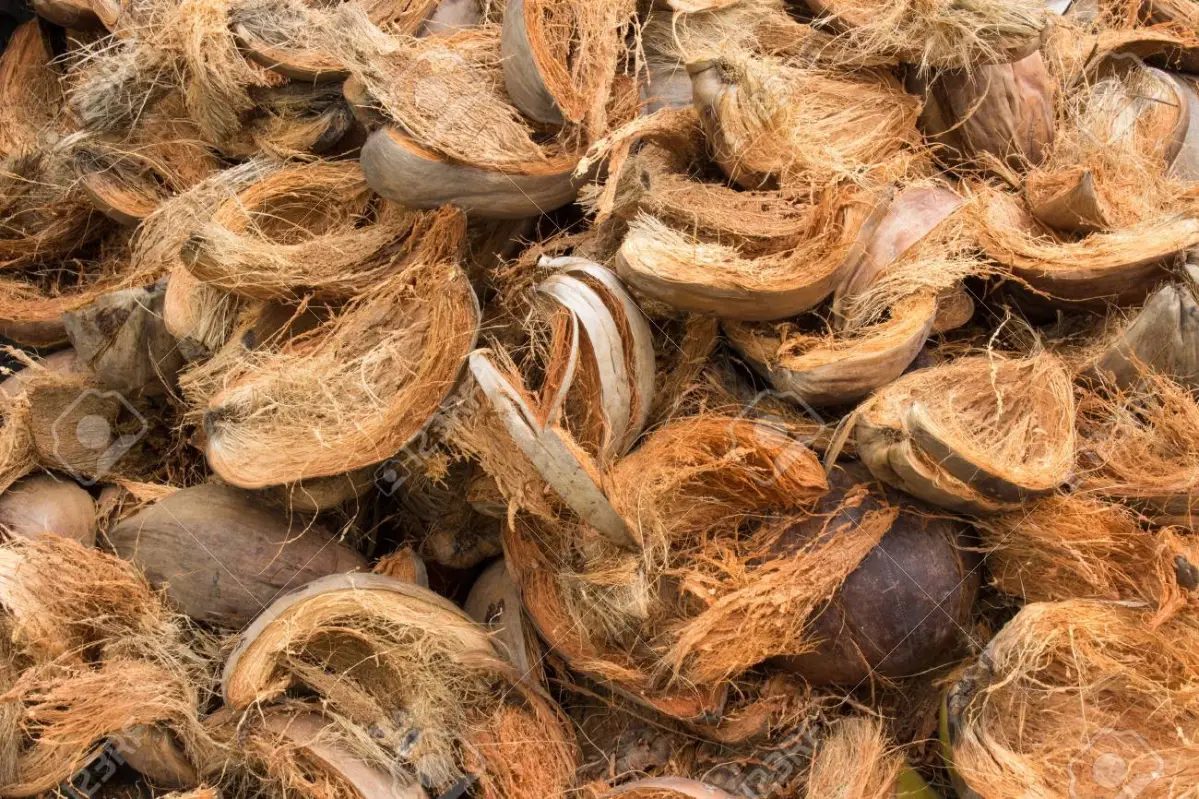
Raw husk selection
Mature coconut husk from mills across Tamil Nadu's coir belt is graded on arrival; damaged or contaminated husk is rejected.
QC: Visual grading
 Step 02
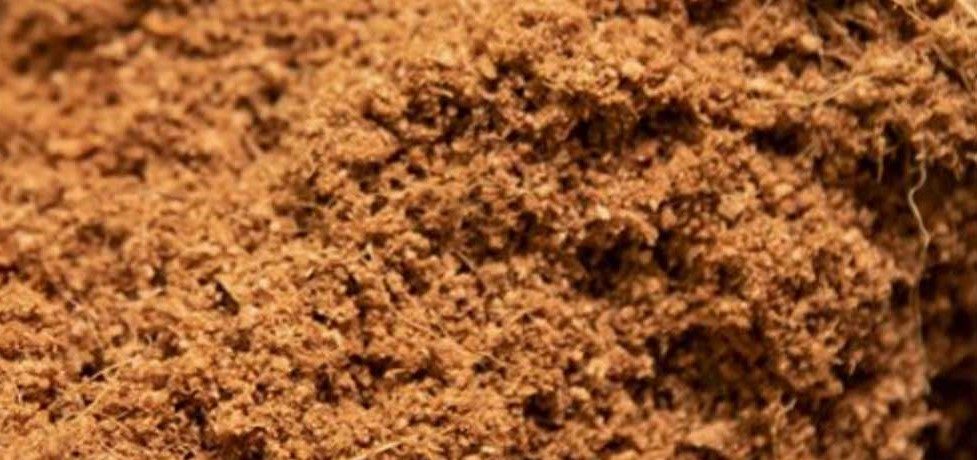
Pith extraction
Husk is defibred and the pith separated from the long fibre on the beater line.
QC: Fibre contamination check
 Step 03
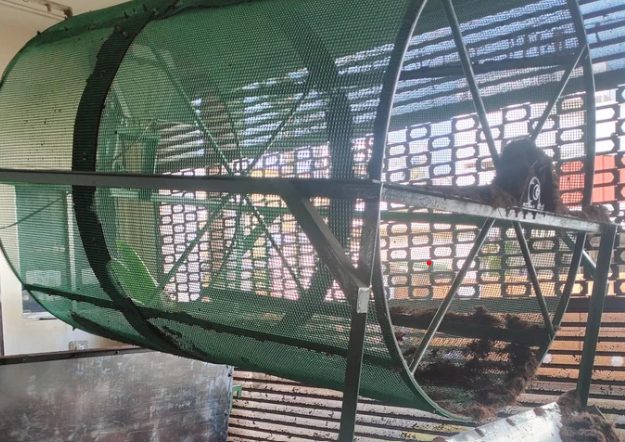
Screening
Rotary screens remove sand, grit and oversized particles, grading pith to 0 – 6 mm.
QC: Sand content sampled
 Step 04
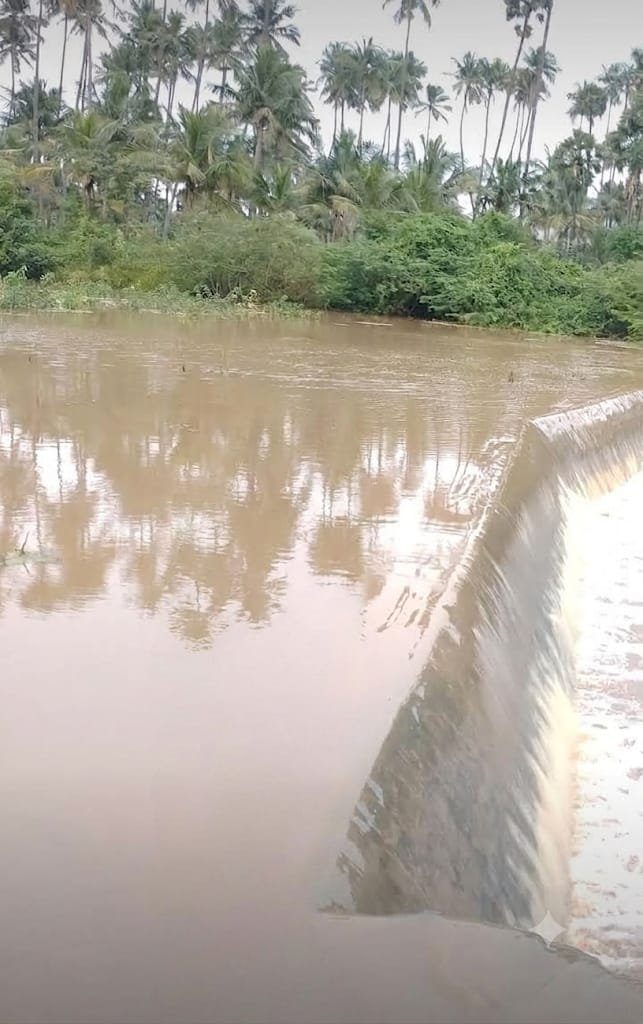
Washing & buffering
Pith for low EC grades is washed with fresh river water to flush out natural sodium and potassium; buffered grade is treated with calcium nitrate.
QC: EC tested until on target
 Step 05
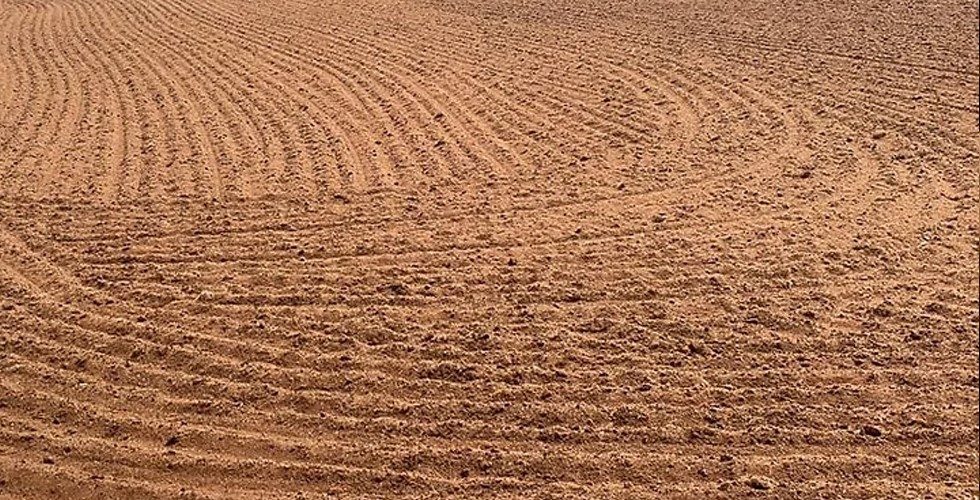
Sun drying
Washed pith is spread on open drying yards until moisture falls to the 15 – 20% export range.
QC: Moisture checked
 Step 06
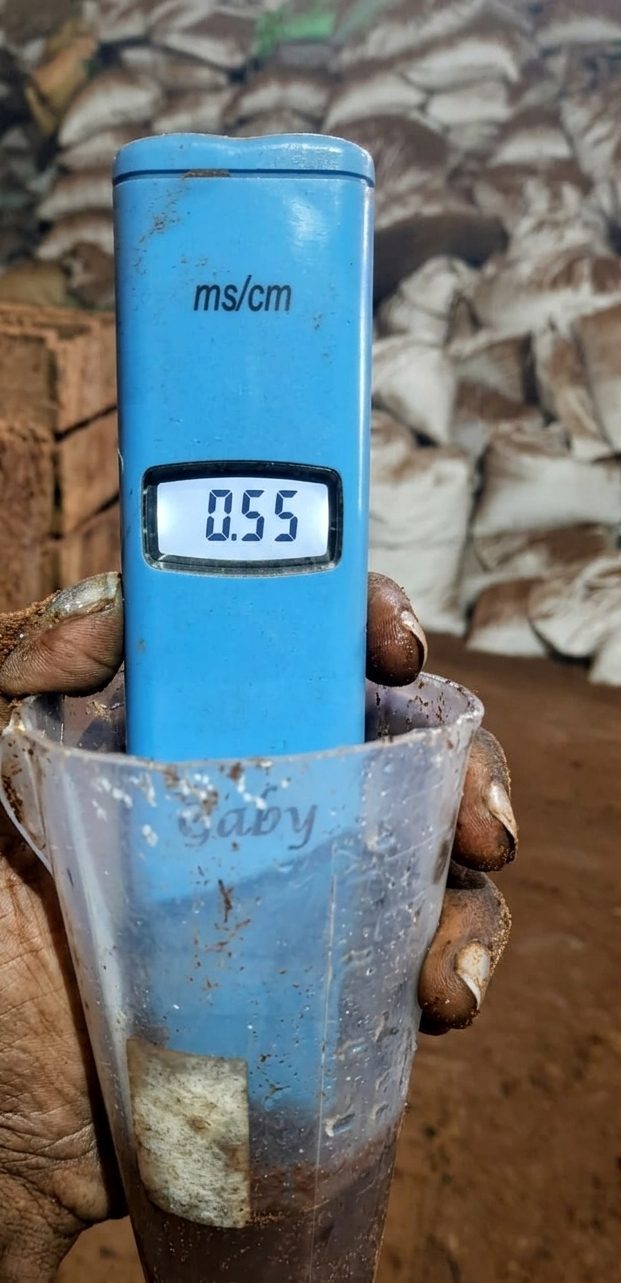
Lab testing
Every batch is tested for EC, pH, moisture and sand with calibrated meters, and results are logged against the batch number.
QC: Batch report issued
 Step 07
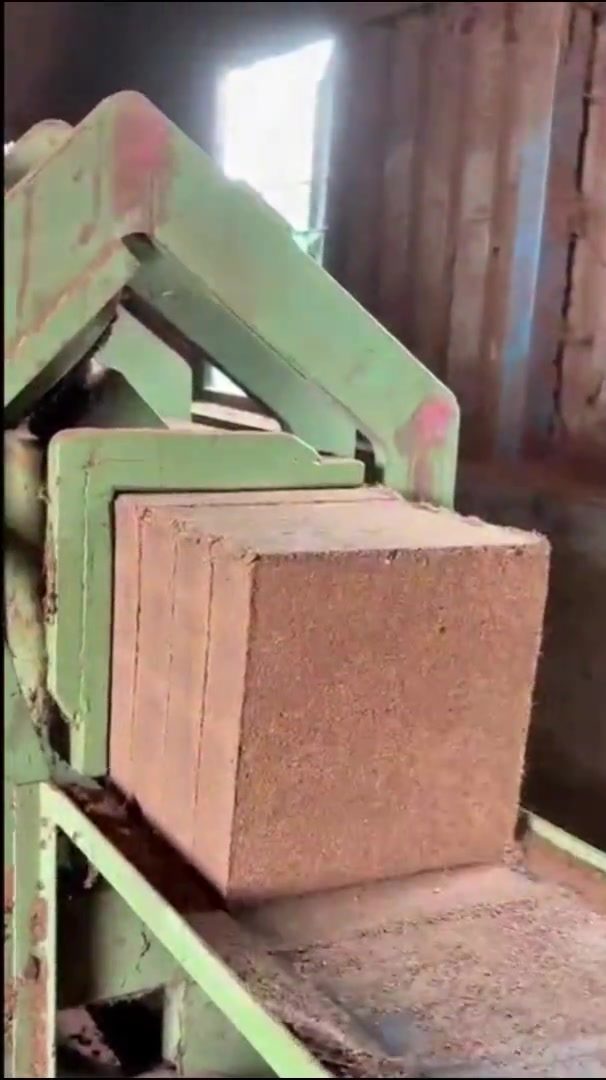
Hydraulic compression
Tested pith is pressed into 5 kg blocks (30 × 30 × 12 – 15 cm) or 650 g briquettes.
QC: Weight & size tolerance
 Step 08
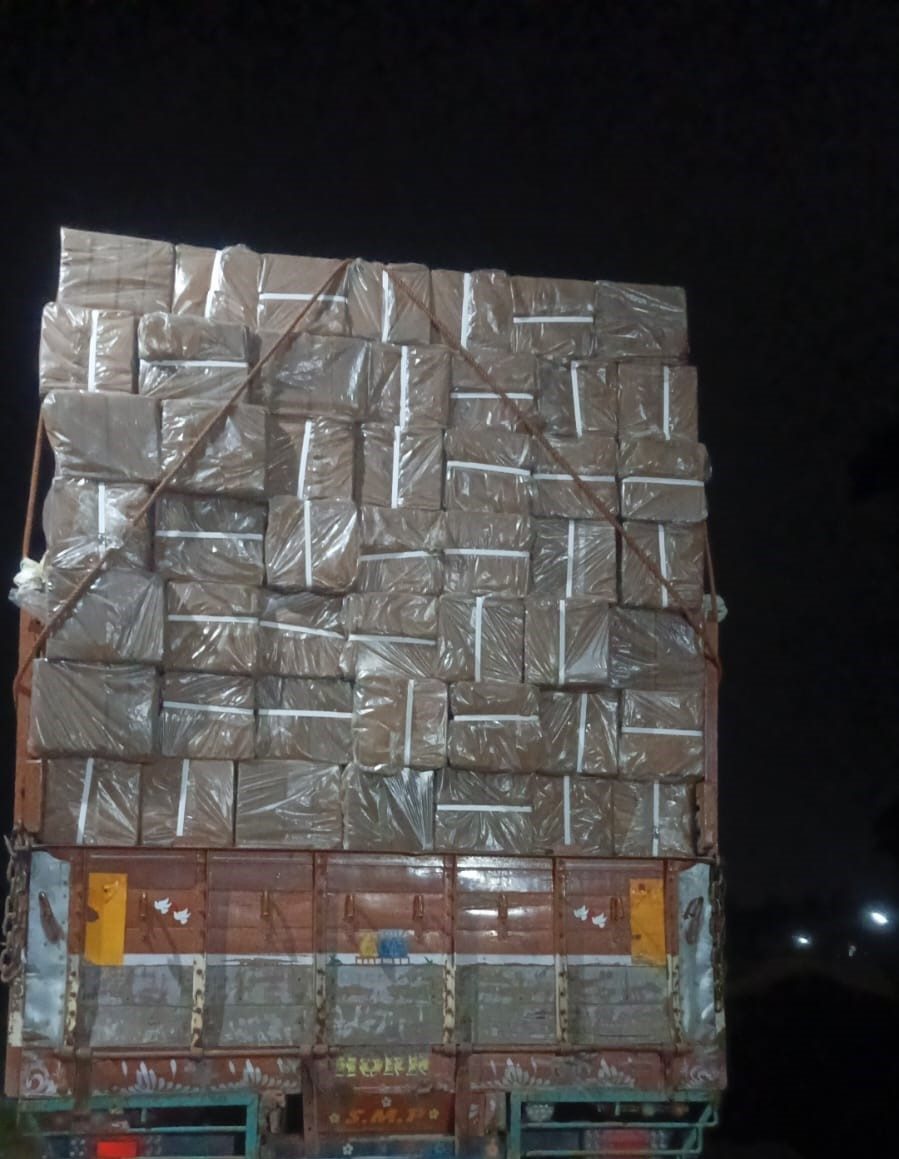
Packing & trucking
Blocks are shrink-wrapped, bundled or palletised to your plan and trucked to Chennai or Tuticorin port.
QC: Count & pack integrity
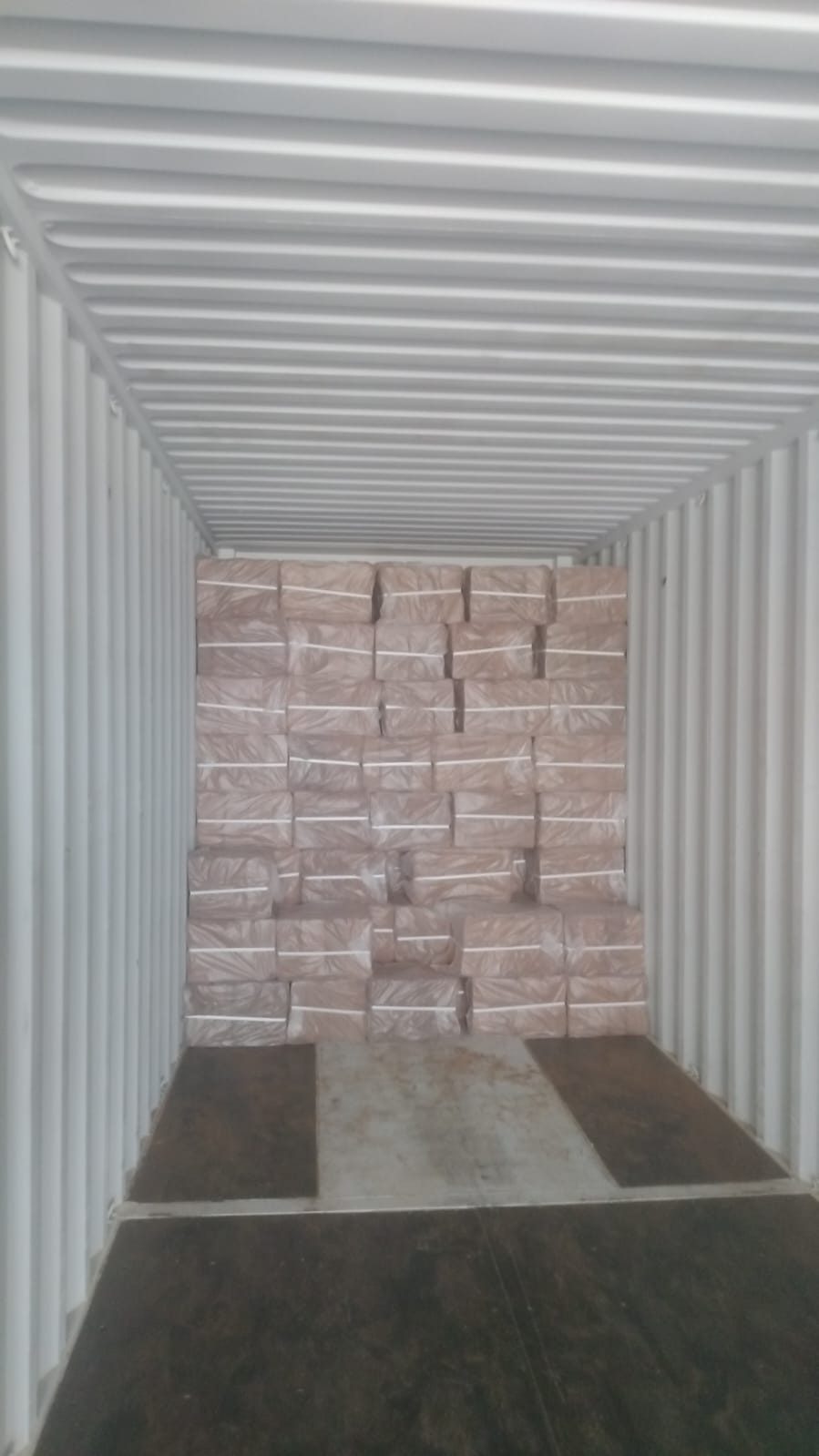 Step 09
Container stuffing
Containers are stuffed, photographed, sealed and documented, and the photo set is shared with you before sailing.
QC: Final document check


Quality parameters
Six numbers decide whether a batch ships
Measured on every batch and logged against the batch number for traceability.
Electrical conductivity
0.5 – 0.7 mS/cm washed · < 0.5 buffered
Acidity
5.5 – 6.5
Moisture
15 – 20%
Sand & impurities
< 2%
Particle size
0 – 6 mm
Expansion
≈ 15 L per kg
Documentation
Paperwork for every shipment
- Commercial invoice & packing list
- Bill of lading
- Certificate of origin (preferential origin certificates on request)
- Phytosanitary certificate
- Fumigation certificate where required
- Batch test report: EC, pH, moisture, sand
- Container stuffing photos with block count
Crop solutions
Which grade suits your crop?
A starting point — tell us your crop and system and we'll confirm the best grade.

Tomatoes, cucumbers & capsicum
Recommended: Washed 5 kg block
Hydroponic leafy greens
Recommended: Buffered 5 kg block
Strawberries & seedlings
Recommended: Buffered 5 kg block
Herbs & home gardening
Recommended: 650 g briquette
Potting mix blending
Recommended: Washed or High EC
Landscaping & soil amendment
Recommended: High EC 5 kg blockWant to see production before you order?
We can share batch test results and arrange a live video walkthrough of production for larger orders.