
How our cocopeat is made and tested
From coconut husk to a sealed container, in seven steps at our partner manufacturing units in Tamil Nadu. What we control directly is the part that protects you: choosing the lot, testing it, and proving it before you pay.
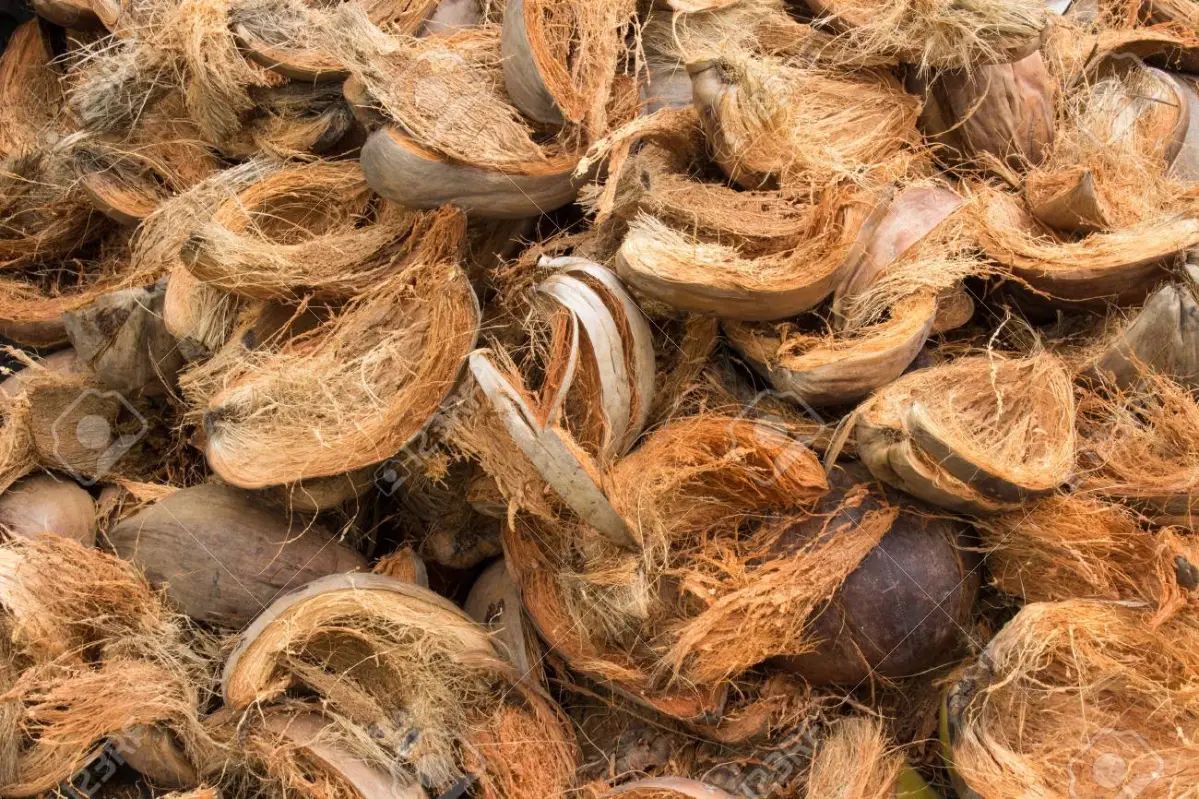
Husk from Tamil Nadu's coconut belt arrives at the partner unit.
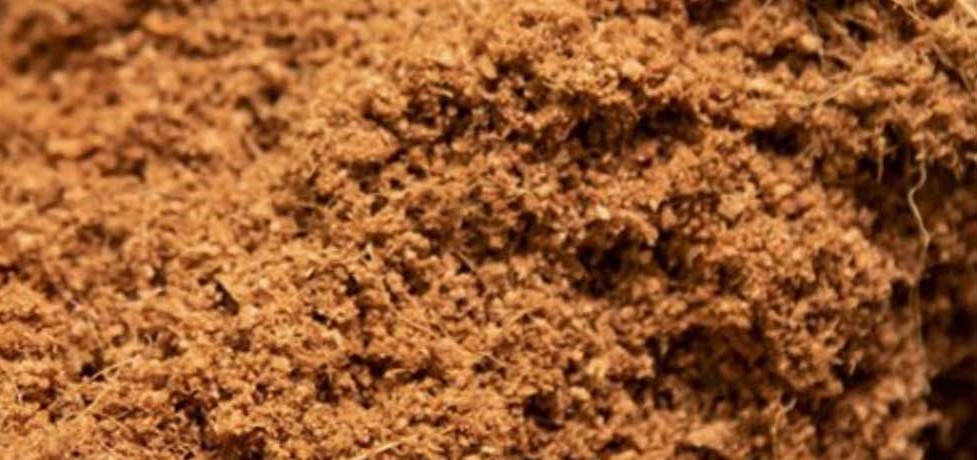
Fibre is separated from the husk; the pith left behind is the raw cocopeat.
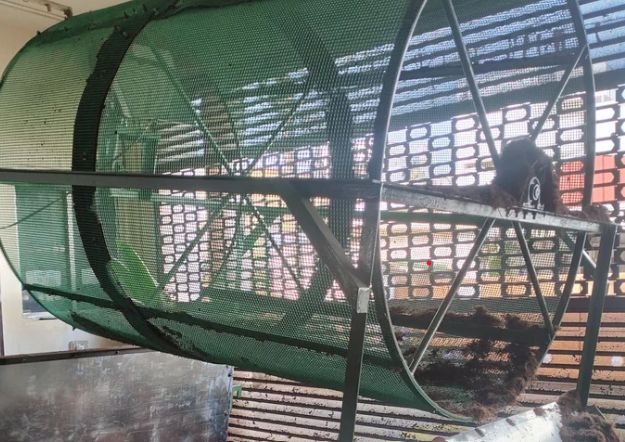
A rotating trommel screen removes fibre lumps, sand and grit.
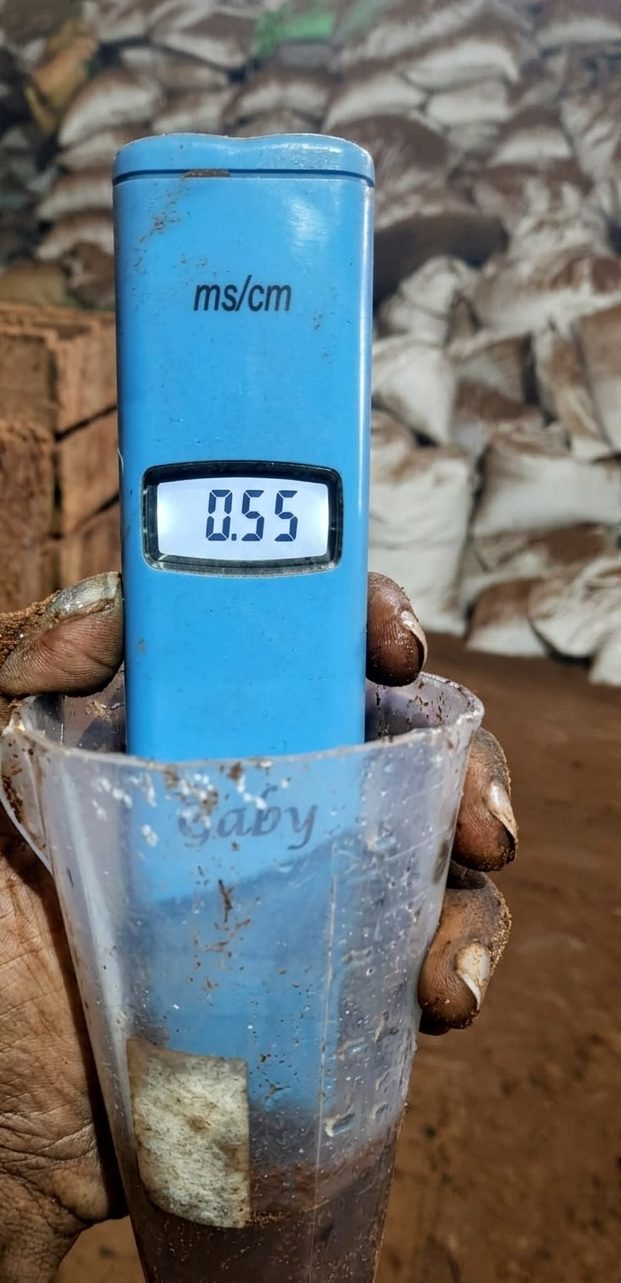
For the washed grade, pith is washed in fresh water and EC is measured until it is in the 0.5–0.7 mS/cm range.
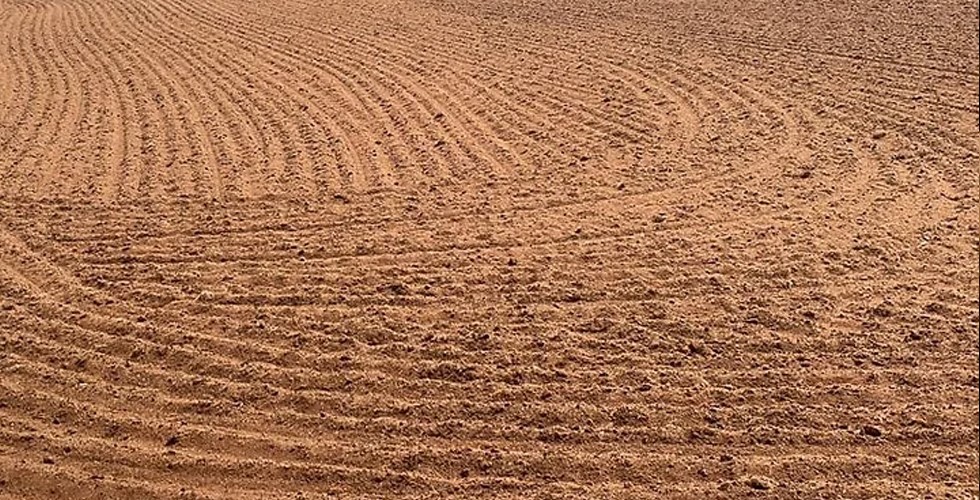
Pith is dried in the yard to bring moisture below 20% before pressing.
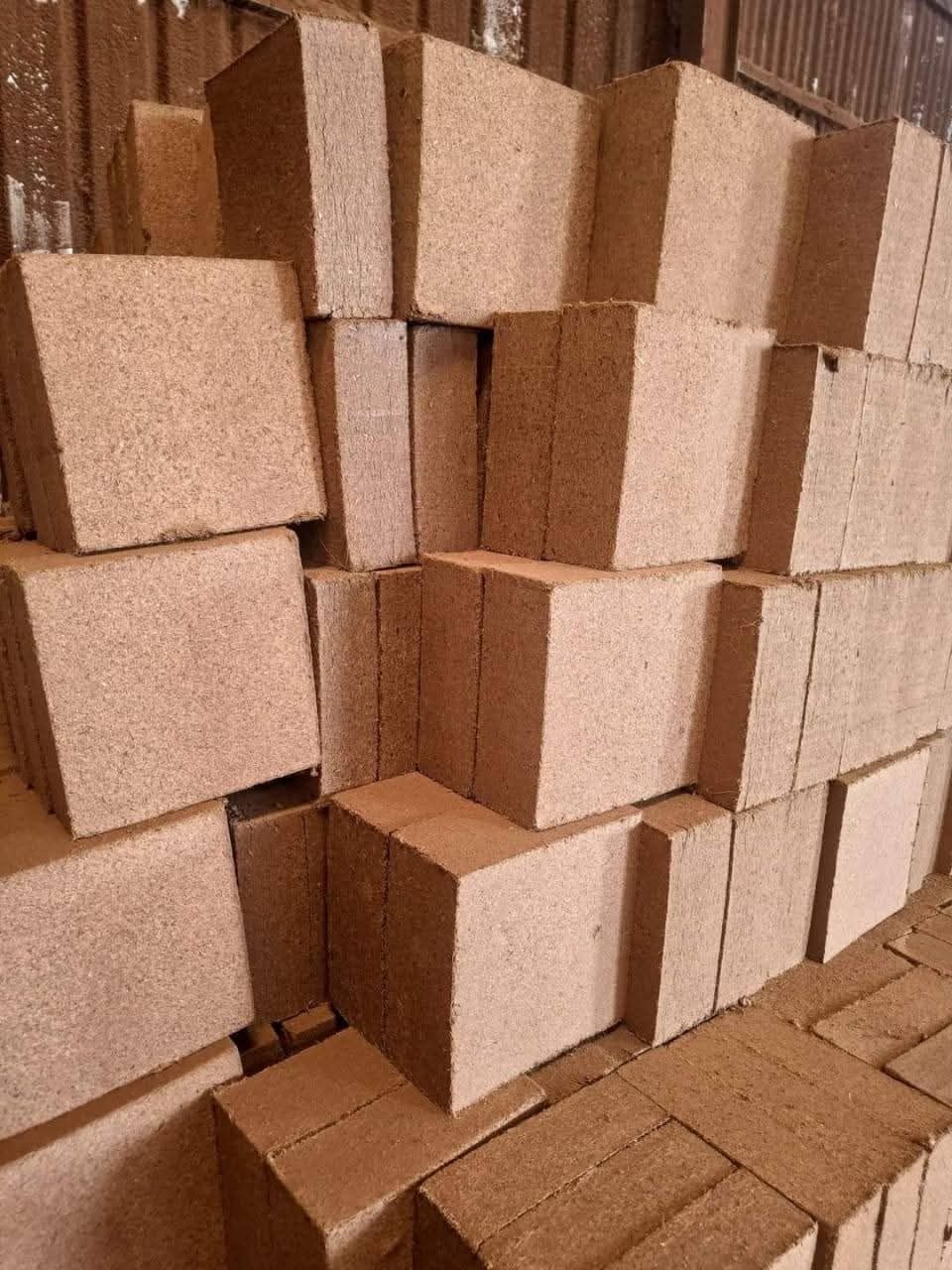
A hydraulic press forms 5 kg blocks and 650 g bricks.
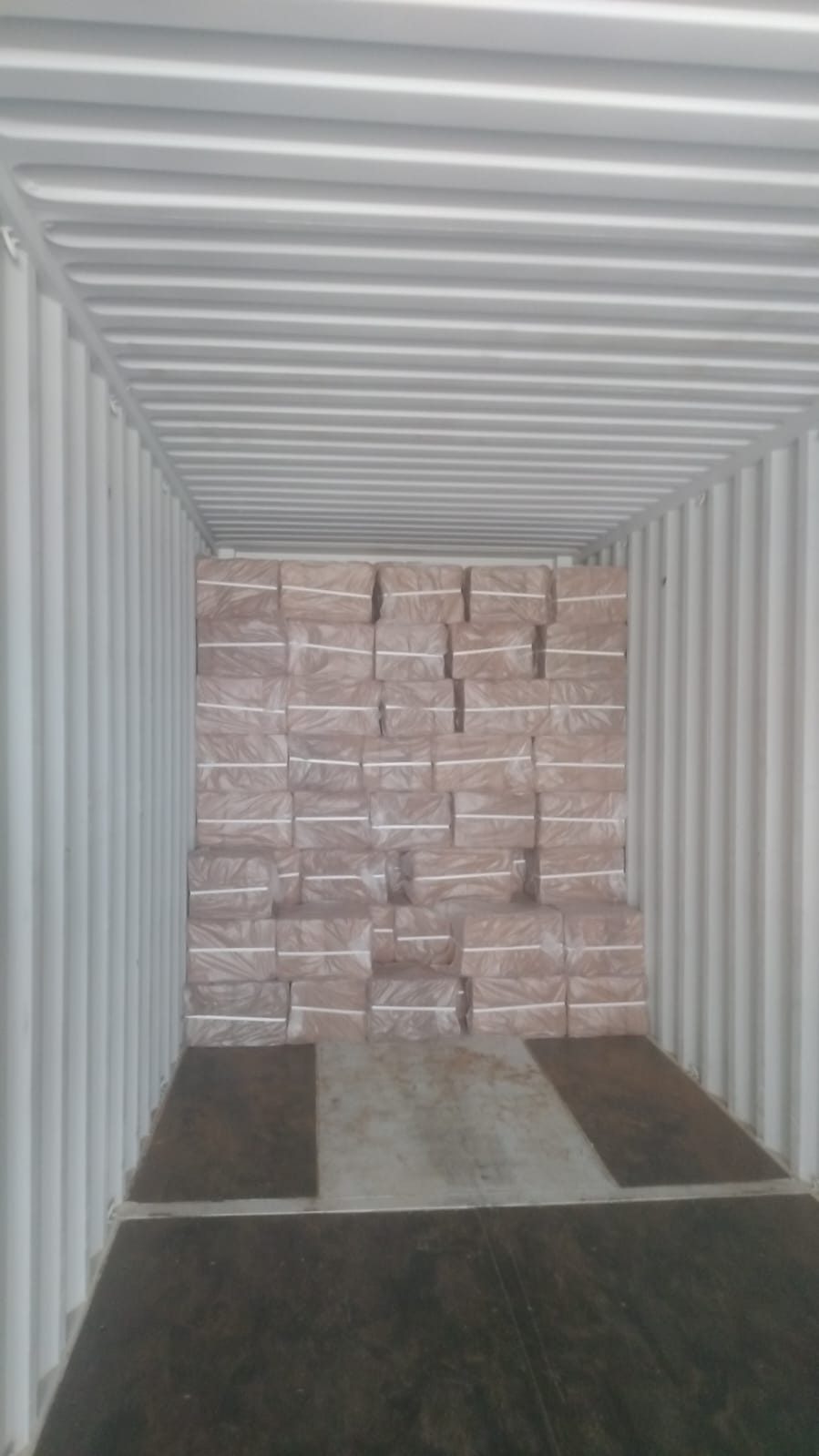
Each lot is tested for EC, pH and moisture, then loaded. You receive the report and a stuffing video.
What we check on every lot
| Parameter | Value |
|---|---|
| EC (washed grade) | 0.5–0.7 mS/cm |
| pH | 5.8–6.8 |
| Moisture | below 20% |
| Sand / grit | below 2% |
Independent result for our washed grade: EC 0.64, pH 6.39, moisture 15.79%, sand 0.43% (Coir Board CCRI, report CCRI/2026/NTR-SEP-017).
Which grade for your use?
| Use | Recommended grade |
|---|---|
| Hydroponic and soilless growing | Washed (or Buffered on request for very salt-sensitive crops) |
| Greenhouse grow bags and containers | Washed |
| Nursery and seedling trays | Washed |
| Potting mixes | Washed, or High EC if you wash/blend yourself |
| Soil amendment, landscaping, turf | High EC |
| Animal bedding, absorbents | High EC |
Frequently asked questions
No. Vimsen Exim is an export house. We source from 5 partner manufacturing units in Tamil Nadu, select the lot, test it, and manage packing, documents and shipping. The photos on this page were taken at partner units.
Washed cocopeat is rinsed in fresh water to flush out natural salts, bringing EC to 0.5–0.7 mS/cm. High EC cocopeat is natural and unwashed, and suits soil blending and amendment. Full comparison.
We measure EC, pH and moisture on every lot before it is pressed and packed, and share the readings with you. Our washed grade has also been tested by the Coir Board's Central Coir Research Institute to IS 19103.
About 5,200 blocks of 5 kg (about 26 MT) per 40 ft HC container, loose-loaded. Palletised loads carry fewer blocks.
Yes. We send a sample block from the lot we propose to ship, with its test readings.
Tuticorin (V.O. Chidambaranar Port) and Chennai Port. We quote FOB or CIF to your port.